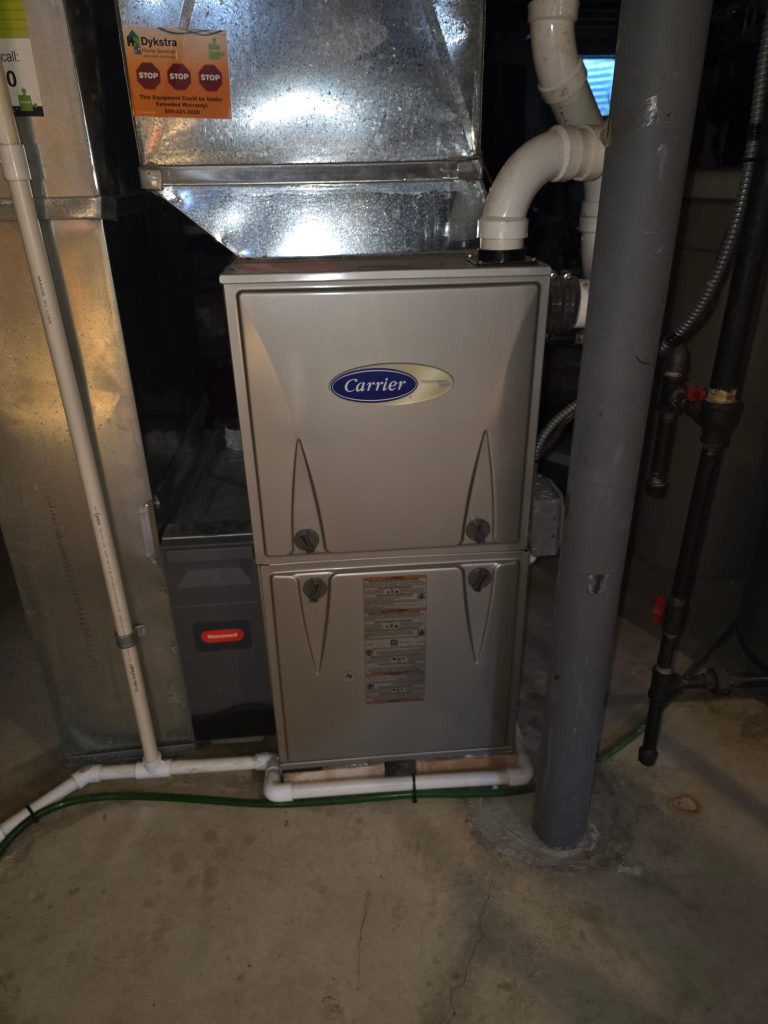
What Homeowners Need to Know About New High Efficiency Units for HVAC
New high efficiency units for HVAC are changing how you heat and cool your home. You now have options that reduce energy use and lower monthly bills. In this post, you will learn about these systems, their benefits, and what to consider before upgrading.
Overview of New High Efficiency HVAC Units
New high efficiency units replace older systems with equipment that uses less energy while keeping your home comfortable. You gain better performance and lower operating costs. This post explains:
- The benefits of high efficiency units
- Key features to look for
- Factors affecting performance
- Installation and maintenance tips
- Cost and savings considerations
- Common questions answered
1. Benefits of New High Efficiency Units
High efficiency HVAC systems offer several benefits to homeowners like you:
- Lower Energy Bills: These units reduce energy consumption, which can cut your monthly costs.
- Improved Comfort: They provide consistent heating and cooling. Your home stays at a stable temperature.
- Reliability: New systems come with modern controls that improve system reliability.
- Enhanced Safety: Updated units follow current safety standards and include advanced safety features.
- Environmental Impact: Reduced energy use means you contribute less to air pollution.
Key Points:
- You save money on utility bills.
- Your system runs more reliably.
- You help reduce your carbon footprint.
2. Understanding Efficiency Ratings
High efficiency units have efficiency ratings that tell you how much energy they save. The most common ratings include SEER (Seasonal Energy Efficiency Ratio) and AFUE (Annual Fuel Utilization Efficiency).
- SEER: Measures cooling efficiency. A higher SEER means lower energy use during warm months.
- AFUE: Indicates heating efficiency. A higher AFUE shows better performance in cold weather.
Example:
- A unit with a SEER of 16 uses less energy than one with a SEER of 13.
- An AFUE rating of 90% means 90% of the fuel converts to heat.
Quick List:
- Look for units with SEER ratings above 14.
- Choose systems with AFUE ratings of 90% or more.
- Compare these numbers to your current system.
RECOMMENDED ARTICLE: Why is the maintenance of heating and air conditioning so important?
3. Key Features of New High Efficiency Units
When you review new high efficiency units, focus on these features:
- Advanced Controls: Modern thermostats and control systems let you adjust temperature settings easily.
- Variable Speed Fans: These adjust air flow based on your home’s needs.
- Multi-Stage Heating and Cooling: Systems that operate at different speeds can maintain comfort more consistently.
- Improved Heat Exchangers: Better design means more heat is transferred and less energy is wasted.
Bullet Points:
- Controls: Simple, user-friendly interfaces.
- Fan Speed: Adjustable for efficient air distribution.
- Stages: Multiple operation levels for better comfort.
- Heat Exchanger: More efficient energy transfer.
4. Installation and Maintenance
Proper installation and maintenance keep your high efficiency units running well. You should work with a qualified technician to install your new system and set up a regular service schedule.
Installation Tips:
- Choose a licensed contractor with experience in high efficiency units.
- Check that the installation meets local building codes.
- Ensure proper sizing for your home to avoid overworking the system.
Maintenance Checklist:
- Filter Replacement: Replace filters every 1-3 months.
- System Cleaning: Clean coils and ducts as recommended.
- Regular Inspection: Have a technician inspect your system annually.
- Check Controls: Ensure your thermostat and sensors function correctly.
Table: Basic Maintenance Schedule
| Task | Frequency | Benefit |
|---|---|---|
| Filter replacement | Every 1-3 months | Keeps airflow smooth, improves efficiency |
| Cleaning coils | Annually | Enhances heat transfer, saves energy |
| Duct inspection | Annually | Prevents blockages, maintains airflow |
| Thermostat check | Annually | Ensures accurate temperature control |
Following these steps helps you keep your unit efficient and reliable.
5. Cost Considerations
When you invest in a new high efficiency unit, you must weigh the upfront costs against long-term savings. Here are some points to consider:
- Upfront Price: High efficiency units may cost more initially. Compare quotes from different contractors.
- Energy Savings: Over time, lower utility bills can offset the higher initial cost.
- Rebates and Incentives: Look for local or federal programs that offer rebates for upgrading to efficient equipment.
- Financing Options: Some companies provide financing plans to spread out the cost.
Numbered List:
- Research Prices: Get several estimates for equipment and installation.
- Calculate Savings: Estimate the energy bill reduction over 5-10 years.
- Check Rebates: Look for available government or utility company incentives.
- Review Financing: Consider payment plans if upfront cost is a concern.
Example Calculation:
- If your current unit costs you $200 per month in energy and a new unit can reduce that by 25%, you save $50 per month.
- Over one year, that equals $600.
- Compare these savings to the cost difference between your old and new system.
6. Energy Savings and Environmental Impact
New high efficiency units use less energy. This saves money and reduces the strain on power plants and the environment.
- Lower Consumption: You use fewer kilowatt-hours or BTUs.
- Reduced Emissions: Less energy use means fewer emissions from power plants.
- Sustainable Home: Upgrading supports long-term sustainability for your community.
Bullet Points:
- Reduced energy use cuts your utility bills.
- You lower your environmental footprint.
- You contribute to a cleaner community.
7. Comparing New Units to Older Models
You may wonder how new high efficiency units compare to older models. Here are some points of comparison:
Older Units:
- Often use outdated technology.
- Lower efficiency ratings.
- Higher energy consumption.
- Frequent repairs and higher maintenance.
New High Efficiency Units:
- Use modern design and control technology.
- Offer higher efficiency ratings.
- Reduce energy waste.
- Require less maintenance over time.
Comparison Table:
| Feature | Older Unit | New High Efficiency Unit |
|---|---|---|
| Efficiency Rating | SEER ~12-13, AFUE ~70-80% | SEER 14+, AFUE 90%+ |
| Energy Use | High | Lower |
| Maintenance Frequency | Often | Less frequent |
| Repair Needs | More common | Fewer repairs |
| Technology | Basic controls | Advanced controls and sensors |
This table shows that new systems provide tangible benefits over older models.
8. How to Choose the Right Unit for Your Home
When you choose a new high efficiency unit, consider the following steps:
- Assess Your Home’s Needs:
- Evaluate the size of your home in square feet.
- Identify areas that require more cooling or heating.
- Consider the insulation quality and window efficiency.
- Consult with Professionals:
- Contact an experienced HVAC technician.
- Ask for recommendations based on your home’s layout.
- Review installation options and service plans.
- Review Efficiency Ratings:
- Compare SEER and AFUE ratings.
- Choose a unit that meets or exceeds current standards.
- Ensure the system size matches your home’s requirements.
- Consider Long-Term Benefits:
- Factor in energy savings over time.
- Calculate the payback period for your investment.
- Look at potential increases in home value.
Bullet Points for Home Assessment:
- Size: Measure your home’s square footage.
- Usage: Consider which rooms need extra attention.
- Insulation: Check windows and doors for leaks.
- Layout: Understand your home’s heating and cooling zones.
9. Financing and Incentives
Many homeowners worry about the cost of upgrading to new high efficiency units. Here are some strategies to help you manage the expense:
- Rebate Programs:
- Check with local utility companies for rebate offers.
- Federal and state programs sometimes offer tax credits.
- Financing Options:
- Many HVAC providers offer payment plans.
- Spread the cost over 12 to 60 months.
- Energy Savings Analysis:
- Calculate your current energy costs.
- Estimate how much you can save monthly.
- Compare savings with the upfront cost.
Numbered List:
- Search for Rebates: Visit your local utility provider’s website.
- Ask Your Contractor: Inquire about financing options.
- Run a Savings Estimate: Use online calculators to see long-term benefits.
- Review Terms: Read the fine print on any financing plan.
Using these strategies helps you plan your investment in new high efficiency units wisely.
10. Installation Process and What to Expect
A smooth installation sets you up for success. Here is what you can expect:
- Pre-Installation Assessment:
- A technician visits your home.
- They assess your current system and space.
- They recommend the proper unit size and placement.
- Installation Day:
- The team arrives on time.
- They remove the old system and install the new unit.
- The installation typically takes a few hours.
- Post-Installation:
- The technician explains basic operation.
- They review the maintenance schedule.
- You receive a warranty and contact information for service.
Table: Installation Process Overview
| Step | What Happens | Your Role |
|---|---|---|
| Pre-Installation | Home assessment and planning | Provide home details |
| Installation | Removal of old unit, new unit setup | Be available for questions |
| Post-Installation | Operation check and maintenance tips | Review instructions |
This process ensures that you get a reliable installation and a system that works for you.
11. Common Concerns and Misconceptions
Homeowners often have concerns about switching to new high efficiency units. Here are answers to common questions:
- Will the new unit be noisy?
No. Modern systems operate quietly compared to older models. - How long will the installation take?
The process typically lasts a few hours, not a full day. - Will I see savings immediately?
You may notice lower utility bills within the first few months. - Is maintenance expensive?
Regular maintenance is low cost and prevents larger expenses later.
Numbered List of Misconceptions:
- Noise: New systems run quietly.
- Time: Installation is usually completed in a few hours.
- Immediate Savings: Expect gradual improvements in energy bills.
- Maintenance: Routine care keeps costs low.
Addressing these points helps you feel more confident in upgrading your HVAC system.
12. Real-Life Examples and Case Studies
Many homeowners have switched to new high efficiency units with positive results. Consider these case studies:
- Case Study 1: Suburban Home Upgrade
A homeowner in a 2,500-square-foot house replaced an old furnace with a new high efficiency unit.- Energy bills dropped by 20%.
- The home maintained a more consistent temperature.
- The installation took under 4 hours.
- Case Study 2: Multi-Zone Installation
In a home with 3 heating zones, a new system improved comfort in every room.- Zones adjusted independently.
- Homeowner noticed a reduction in repair calls.
- Lower energy consumption was recorded over the year.
Bullet Points for Case Studies:
- Savings: Energy bills reduced by 15–25%.
- Comfort: Even temperature distribution.
- Efficiency: Fewer repairs and smoother operation.
These examples show that upgrading to new high efficiency units can have a real impact on your daily comfort and expenses.
13. Energy-Saving Tips When Using High Efficiency Units
To get the most out of your new system, follow these tips:
- Regular Maintenance:
- Change filters as recommended.
- Schedule annual inspections.
- Smart Thermostat Use:
- Set schedules for heating and cooling.
- Adjust settings based on occupancy.
- Seal Your Home:
- Check windows and doors for leaks.
- Use weather stripping to maintain temperature.
- Adjust Usage:
- Use ceiling fans to circulate air.
- Keep curtains closed in winter to reduce heat loss.
Numbered List:
- Maintenance: Replace filters every 1-3 months.
- Thermostat Settings: Program your thermostat.
- Seal Leaks: Inspect and repair leaks.
- Supplementary Measures: Use fans and curtains wisely.
Implementing these practices helps you maximize energy savings and system performance.
14. Comparing Costs: Repair vs. New High Efficiency Units
Sometimes, you may consider repairing an old unit rather than buying a new one. Here are factors to compare:
- Repair Costs:
- Frequent repairs add up over time.
- Older systems may require parts that are hard to find.
- New Unit Costs:
- Upfront investment is higher.
- Long-term savings usually outweigh the cost.
- Reliability:
- New systems have warranties and better performance.
- Repairs may not extend the life of an old unit.
Table: Repair vs. New Unit
| Aspect | Repair of Old Unit | New High Efficiency Unit |
|---|---|---|
| Cost Over Time | Frequent repairs, rising cost | One-time cost, lower bills |
| Reliability | Older parts may fail | Modern design, warranty provided |
| Energy Efficiency | Lower performance | Higher efficiency ratings |
| Maintenance Needs | Frequent service | Regular, low-cost maintenance |
This comparison helps you decide if investing in a new high efficiency unit is the best choice for your home.
15. Environmental Benefits
Upgrading to new high efficiency units also helps reduce your environmental impact. Consider these points:
- Lower Carbon Footprint:
Using less energy means fewer emissions. - Resource Conservation:
Modern systems use materials more efficiently. - Sustainable Home:
Lower energy bills and reduced waste contribute to sustainability.
Bullet Points:
- Lower energy consumption reduces emissions.
- Efficient systems use resources wisely.
- Your home becomes more sustainable over time.
16. Preparing for the Upgrade
If you decide to invest in a new high efficiency unit, preparation is key. Follow these steps:
- Research Options:
- Review different models and features.
- Compare efficiency ratings.
- Set a Budget:
- Get multiple quotes from local contractors.
- Factor in installation, maintenance, and potential rebates.
- Schedule a Consultation:
- Book an appointment with a trusted HVAC provider.
- Ask questions about the installation process.
- Plan for Installation:
- Prepare your home for the technician’s visit.
- Clear the installation area.
Numbered List:
- Research available models.
- Set and review your budget.
- Schedule a consultation.
- Prepare your home for installation.
Taking these steps makes the upgrade process smooth and helps you get the most from your investment.
17. Frequently Asked Questions
Q1: How soon can I expect to see a drop in my energy bills?
A: You may notice savings within the first few months. Monitor your monthly usage and compare it to previous bills.
Q2: What is the typical lifespan of new high efficiency units?
A: Most units last between 15 and 20 years with regular maintenance.
Q3: Do I need to change my ductwork?
A: In most cases, your current ducts work fine. However, an inspection may reveal issues that need addressing.
Q4: Can I install the unit myself?
A: Installation requires a licensed technician to ensure proper setup and safety.
Q5: Are there rebates available for upgrading?
A: Many utility companies and government programs offer rebates for high efficiency upgrades.
18. Final Thoughts
Upgrading to new high efficiency units can benefit you in several ways. You save on energy bills, improve comfort, and contribute to a sustainable future. The process involves proper research, planning, and consultation with professionals. You must weigh the upfront costs against long-term savings and decide what best fits your home and budget.
Key Takeaways:
- Efficiency: New units reduce energy consumption.
- Cost Savings: Lower bills over time justify the initial expense.
- Reliability: Modern systems offer better performance.
- Sustainability: You help reduce environmental impact.
By following the steps outlined in this post, you can approach your upgrade with confidence. You have the tools to assess, compare, and decide on a system that meets your needs. This upgrade is an investment in your home’s comfort and efficiency.
19. Next Steps
If you are considering a new high efficiency unit for your home, here are your next steps:
- Contact a Local HVAC Provider: Reach out to ARQ Solutions HVAC or another trusted provider in your area.
- Schedule an Assessment: Arrange for a technician to evaluate your home’s heating and cooling needs.
- Review Your Options: Compare models based on efficiency ratings, cost, and features.
- Plan for Installation: Ensure you understand the installation process and prepare your home.
Action Items:
- Call your local HVAC expert.
- Review energy savings calculators online.
- Check for available rebates.
- Schedule a consultation.
Taking action now helps you start saving on energy costs sooner.
20. How ARQ Solutions HVAC Can Help
At ARQ Solutions HVAC, we specialize in installing new high efficiency units that meet your needs. Our service covers both residential and commercial systems. Here’s how we support you:
- Expert Assessment:
- We inspect your home and determine the best unit size.
- Professional Installation:
- Our technicians install systems quickly and safely.
- Ongoing Support:
- We offer maintenance plans to keep your unit running smoothly.
- Local Service:
- We serve Joliet and surrounding areas with a family owned approach.
Bullet Points:
- Expert home assessments.
- Fast, safe installations.
- Reliable maintenance.
- Local, family owned service.
We understand that upgrading to new high efficiency units is a big decision. Our team is here to answer your questions and provide support every step of the process.
21. Conclusion
New high efficiency units offer homeowners an opportunity to reduce energy bills, improve comfort, and support sustainable living. The decision to upgrade is informed by clear benefits and a careful review of options. By considering the factors discussed in this post, you can make an informed decision that suits your home and budget.
You deserve a system that runs reliably, saves you money, and performs efficiently. Start your upgrade with confidence and enjoy the benefits of a modern HVAC system.
Summary of Benefits:
- Lower energy costs
- Consistent indoor comfort
- Reduced maintenance needs
- Support for sustainable practices
We hope this guide helps you understand the advantages of new high efficiency units and guides you through the decision-making process.
Thank you for reading. If you have any questions or need further assistance, feel free to reach out. Your home deserves a system that works for you.